Friday, December 20, 2013
LOMATIUM
Lomatium-Lomatium Dissectum, Lomatium Cous, Lomatium Triternatum
Also known as: desert parsley, biscuit root
Parts used: roots, leaves, stems
Meridians/Organs affected: immune system, respiratory. hepatic, cardiac
Properties: antiviral, immune stimulant, vulnerary, antimicrobial expectorant, antibacterial
Lomatium is a member of the parsley family. There are more than seventy species of lomatium in the western states alone. These plants frequently hybridize, so sometimes identification can be difficult and scary as it closely resembles poison hemlock. One cannot afford to mistake this plant for its poisonous cousin. Generally, hemlock needs moist soil or it will dies, whereas lomatium usually grows in dry, rocky soil. If the soil is dry, rocky and void of most plant life the odds are that lomatium will be found there. Lomatium can also be found in moist soil but when in doubt, stick to the dry areas to harvest lomatium where hemlock doesn't grow.
Lomatium has hollow stems and parsley-looking compound leaves that on some species divide into linear segments. The largest species of lomatium can get almost four feet tall. The flowers bloom on umbrella shaped terminals and vary from white to yellow to pink to purple to even black. It blooms from April to July. The roots are best dug in the fall or early spring when the plant is dormant. Dig it with care to minimize any damage as it will "bleed" a yellow sap when cut. The roots should be cleaned and cut as soon as possible and tinctured or infused in oil.
Lomatium has been used by the Native Americans for a very very long time. The Blackfeet Indians refer to it as 'Big Medicine' for its ability to help chronic respiratory problems such as asthma, tuberculosis, bronchitis and pneumonia. They would also use it for colds and flu. Other Native American tribes would call it 'Bear Medicine' as when the plant comes up in the spring the small shoots resemble furry, brown paws. Bear medicine plants were used by the Indians for heart, lung and liver complaints. The roots were often used to make tea for any kind of respiratory condition as it would help to expel phlegm from the bronchials. Some long distance runners also chewed the seeds to prevent side-aches when running.
As its other name implies (biscuit root), lomatium was also considered a food staple by many Indian tribes. The root was dried and ground into a flour or meal for bread, biscuits, mush, cakes, etc. Large, flat cakes were often taken with them on long journeys. Lomatium cous (biscuit root) was the most used variety for that purpose as it has a flavor similar to rice. The root was also roasted or boiled. Other varieties of lomatium have more of a balsam flavor. The leaves can and were used much like parsley in soups, stews, salads, meat dishes and more.
Some people have had rashes break out on their skin when using this herb. This is usually due to the person using too much. Lomatium is definitely a plant where less is more. If the person stops using lomatium the rash generally goes away in a few days.
As is customary with my posts I am including some links below for you perusal. Use them as you deem necessary. Happy and healthy living!
http://www.amazon.com/PLANETARY-Lomatium-Spectrum-Nutritional-Supplement/dp/B003DLBI4U/ref=sr_1_3?ie=UTF8&qid=1387596081&sr=8-3&keywords=lomatium
http://www.amazon.com/Natures-Answer-Lomatium-Root-Ounces/dp/B0001TS6JC/ref=sr_1_7?ie=UTF8&qid=1387596163&sr=8-7&keywords=lomatium
http://www.amazon.com/Lomatium-Root-900mg-Capsules-Renevitol/dp/B00G2QQEUG/ref=sr_1_12?ie=UTF8&qid=1387596163&sr=8-12&keywords=lomatium
http://www.amazon.com/Herbal-Antivirals-Remedies-Resistant-Infections/dp/1612121608/ref=sr_1_11?ie=UTF8&qid=1387596163&sr=8-11&keywords=lomatium
http://www.amazon.com/Lomatium-Root-C-S-16oz/dp/B008G2O186/ref=sr_1_20?ie=UTF8&qid=1387596345&sr=8-20&keywords=lomatium
http://www.amazon.com/Lomatium-Osha-Throat-Spray-Pack/dp/B00HA8QV8K/ref=sr_1_39?ie=UTF8&qid=1387596397&sr=8-39&keywords=lomatium
http://www.amazon.com/Lomatium-Root-Pieces-Wildcrafted-SWB201774-81/dp/B00ACWYDX6/ref=sr_1_4?ie=UTF8&qid=1387596511&sr=8-4&keywords=lomatium+root
HUCKLEBERRY
Huckleberry-Vaccinum Myrtillus, Vaccinum Ashei, Vaccinum Augustifolium, Vaccinum Corymbosum, Vaccinum Cespitosum
Also known as: bilberry, blueberry, whortleberry, hurtleberry, wimberry
Parts used: leaves, berries
Meridians/Organs affected: liver, ocular, pancreas, urinary, intestinal
Properties: astringent, diuretic, antibacterial, disinfectant, refrigerant
Hucklebrry, better known as bilberry in the alternative world, is a member of the Heath family. There are over 60 varieties of this species just in the western states alone. They are usually divided into three sub-groups: 1)those that are found in swamps and/or bogs, 2)those that are found in well drained soil and 3)those that are tiny and often red but so small they are hard to gather in appreciable amounts.
Huckleberry has alternate, deciduous, broad lance-shaped leaves with small pink urn-shaped flowers that appear where the leaves axil. The berries have flattened ends and are either red or blue with blue being the more well-known. It is bush-like or shrub-like in nature, some of which get up to 3 feet tall. Picking these berries is labor-intensive and backbreaking but a labor of love nonetheless. (Most people who have found huckleberry bushes guard them well as they are so tasty and amazing no one wants to share.)
Huckleberries can be found from the Artic Circle to the Rockies. They bloom from May to July and the leaves are best gathered before the plant blooms. The berries of all species are edible whether raw or cooked but vary in flavor.
Huckleberry has a rather amazing past. It has long been used for food throughout Europe and the Europeans even had special days set aside for the gathering of the berries. The Brits of northern England call it bilberry, the Scots call it blueberry and it is referred to as whortleberry in southeastern England and wimberry in Shropshire, England. (Personally I think the Brits need to choose one name and stick with it...LOL)
In Britain, when huckleberries would come on some people would make a social gathering out of the entire affair. Whole villages and communities would take along picnics with their pails and many times it turned into a drunken fest when many unwed coupled stole away for 'personal' time. In other places though, this was considered a time to be taken seriously and entire weeks were spent making pies, jams, wines, syrups, etc. to sell to passersby or to keep as medicinal fare for themselves.
The French have a metal comb called a "peigne", which is used to harvest these small berries. The fruit that was 'combed' from the bush was then sold to jam factories or dye shops. In medieval times, it became quite popular to use the berries for dyes in painting. Mrs. Grieve (1931), who was well known to British herbalist in her day, used the berries for gastroenteritis, diarrhea, dysentery, bed wetting, hemorrhoids, varicose veins, etc. The leaves were used for hypoglycemia, diabetes, urinary tract infections and for ulcers, including those found on the tonsils or in the mouth.
During WWII, British pilots who flew night raids were given huckleberry sandwiches before flying as it was believed that the berries would improve one's night vision. To some that may sound like hoopla; however, there have been several studies done on huckleberries in this regard and some of the statistics in these studies are nothing short of miraculous. The berries have been found to increase circulation to the eyes and help with a number of eye-related diseases. They have been found not only to improve one's eyesight and visual acuity at night but to increase the blood supply to the eyes by 75%. The berries also have been found to improve nearsightedness after five months of regularly taking them and to improve visual acuity by 83% after only 15 days. In fact, 80% of the people tested that were taking the huckleberries for the first time improved on their visual exams and night vision tests within three minutes of taking them. Other advantages/improvements were: reduced cataract formation, help with macular degeneration, glaucoma, diabetic retinopathy, etc. Huckleberries appear to be a powerhouse of medicine.
Huckleberries contain anthocyanins. These are flavonoids that are amazing antioxidants. They have been in the spotlight recently for their ability to help heal a number of conditions. Studies have shown that they can help ease the aging process, reduce inflammation and increase insulin production. Anthocyanins also protect blood vessels and seem to have anti-carcinogenic abilities as well. These particular flavonoid compounds are also found in blackberries, hawthorn berries, elderberries, cherries, etc. They are what give them their blue or red color and are found in particularly large amounts in huckleberries. Huckleberries also are used throughout Europe before surgical procedures as they strengthen capillary walls and prevent hemorrhaging or excessive bleeding. This also helps to lower the blood pressure, improve blood circulation, helps reduce clotting, etc.
The huckleberry is completely safe for everyone to use which makes it nice for the elderly, small children and pregnant women. The leaves are high in tannins though so if using them for tea, remember to use milk with it (milk binds with the tannins and voids them out). Even then-you may take the tea for about 3 weeks or so and then give your body a break for a week at least before starting to use it once more.
As is customary with my posts I am including some links below for your perusal. Please use them as you feel necessary and enjoy these yummy berries!
http://www.amazon.com/Seed-Savers-Exchange-Open-Pollinated-Huckleberry/dp/B007TFXB1Y/ref=sr_1_8?ie=UTF8&qid=1387594446&sr=8-8&keywords=huckleberries
http://www.amazon.com/Freshly-Frozen-Wild-Huckleberries--Gallon/dp/B0001KZ8YC/ref=sr_1_7?ie=UTF8&qid=1387594469&sr=8-7&keywords=huckleberries
http://www.amazon.com/Wild-Huckleberry-Pie-Filling-16oz/dp/B0000EJXL2/ref=sr_1_6?ie=UTF8&qid=1387594469&sr=8-6&keywords=huckleberries
http://www.amazon.com/Taste-the-Wilderness-Wild-Huckleberry/dp/B0000TLEEW/ref=sr_1_9?ie=UTF8&qid=1387594469&sr=8-9&keywords=huckleberries
http://www.amazon.com/Taste-the-Wilderness-Huckleberry-Syrup/dp/B0000E6GZY/ref=sr_1_11?ie=UTF8&qid=1387594469&sr=8-11&keywords=huckleberries
http://www.amazon.com/OPI-Lotion-Winter-Huckleberry-lotion/dp/B00477Z5DY/ref=sr_1_23?ie=UTF8&qid=1387594632&sr=8-23&keywords=huckleberries
http://www.amazon.com/Seeds-Things-Garden-Huckleberry-Bush/dp/B004RQADCS/ref=sr_1_21?ie=UTF8&qid=1387594697&sr=8-21&keywords=huckleberries
ARROWLEAF BALSAMROOT
Arrowleaf Balsamroot-Balsamrrhiza Sagittata
Also known as: balsamroot, arrowhead, duck potato, swan potato, katniss, wapatoo
Parts used: roots, root bark, leaves, seeds, sap
Meridians/Organs affected: immune system, respiratory, skin
Properties: antifungal, antibacterial, immune stimulant, expectorant, antiseptic, diaphoretic, antimicrobial
There are twenty some odd species of this plant, all with similar qualities and minor differences.
It is a member of the Sunflower family and indeed, the flowers look like small versions of sunflowers. The flowers are two to four inches in diameter and are a bright yellow hue. The leaves are shaped much like an arrowhead and can get up to a foot long; they protrude directly from the root on petioles. The entire plant is covered with small hairs that give it a silvery-gray appearance and a somewhat sticky texture. Arrowleaf Balsamroot is often mistaken for Mule's Ears, also known as Wyethia, as they have similar flowers, but the leaves are different and the Mule's Ears plant lacks the signature hairs of balsam root.
Balsamroot is a tap-rooted perennial that takes ALOT of sweat and effort to free from the ground. The root can get up to 30 pounds and even when freed from the ground, the work isn't done. The outer root bark must be cleaned and then stripped from the inner bark. The bruised bark exudes a sticky sap similar to pine.
Balsamroot grows on rocky hillsides, edges of ponds, streams or marshy ground, and in open meadows. It blooms from April to July although in some places you can still see the blooms as late as September. It can be found from British Columbia, Canada, to the Dakotas and as far south as Mexico.
The root is best gathered in early spring before the plant blooms or in the fall after the leaves have died back. The young leaves were often gathered very early in the spring and boiled or steamed. Some people would even eat them raw although there is some debate as to whether they taste good in that state. The peeled roots have also been eaten raw but are very bitter due to the pine-like sap it contains. The tuberous root is said to have a sweet taste when cooked but needs to be steamed or roasted for several hours to get to that point. The dried, cooked roots were often stored for later use (and re-lubricated at that point). The small seeds were also dried and roasted and pounded into flour. This would be mixed with grease or fat and made into small cakes, or added to breads, granola and/or muffins. In some cultures it is still used in this manner.
The root is the part used most for medicinal purposes. However, the leaves were used in poultices for burns and the sap was used by Native Americans for minor wounds, stings, bites and as a topical anesthetic. The roots were boiled to make a tea for rheumatism, tuberculosis, whooping cough, headaches, venereal disease, to increase the flow of urine, purge the bowel and to stimulate childbirth. The root was also used topically in poultices for wounds, bruises, blisters, sores and any kind of fungal outbreak or skin infection. Some native tribes also burned the root as incense in ceremonies.
Arrowleaf Balsamroot can be nauseating in large amounts and irritating to the kidneys is used for long periods of time so it is best used in small amounts for brief periods of time. As it does stimulate childbirth it should not be used by pregnant women until it is time to give birth.
As is customary with my posts I am including some links below for your benefit. Use them as you see fit!
Thursday, December 19, 2013
PARSLEY
Parsley-Petroselinum Sativum
Also known as: garden parsley, rock parsley, common parsley, march
Parts used: leaves, roots, seeds
Meridians/Organs affected: lung, stomach, bladder, liver
Properties: diuretic, carminative, aperient, expectorant, emmenogogue (the seeds), sedative, anti-rheumatic, antiseptic, antispasmodic, anthelmintic, stimulant
Parsley is one of those herbs often passed over for some that are far more pungent or aromatic. Usually found on a plate next to a steak or a piece of fish and often left behind after the other has been consumed. This is not an herb to just look at or decorate a plate, it has much to offer.
Native to Sardinia, Turkey, Lebanon and Algeria it is now grown all over the world. It is a bright green hairless plant that grows in moist, well drained soils in full sun and usually in temperate climates. It is poisonous to most birds but other animals seem to do exceedingly well with the plant, especially rabbits who love it. It is a biennial but most people grow it as an annual. In the first year it develops a host of green leaves with long stems. It will have developed white roots of varying thicknesses. The second year it has greenish yellow flowers that develop on umbels or clusters. The seeds are grayish brown and are best gathered after the second years flowers have gone. The leaves can be gathered the first year and thereafter during the summer months. The root is best gathered after the leaves have died back in the fall.
Pliny spoke often of this plant and considered it one of the most important medicinal herbs of his time. The Greeks had many stories in which parsley was included. They believed that Hercules wore parsley as his garland and so it was woven into the garlands of winning athletes. Greek warriors would often feed their horses parsley before races or battle believing it would give them more speed and they would put wreaths of parsley all over when having banquets to absorb the fumes of alcohol and to prevent the men from becoming too inebriated. They would also use it to absorb the odor of garlic, onions and other more pungent herbs. On the other hand, they also believed that a person who was dying was 'in need of parsley' as it was believed that parsley sprung up on the graves of fallen heroes.
The Romans used parsley to freshen breath and to aid with digestion. The bodies of the dead in both Greek and Roman cultures were often sprinkled with parsley to deodorize the decaying corpse. In medieval times it was used to help with anything from kidneys or liver complaints to bronchial disorders. The German herbalist, Hildegard of Bingen, used compresses of parsley for arthritis and used a boiled parsley wine concoction for heart and chest pains. Nicholas Culpeper, a seventeenth century English herbalist, recommended it for regulating menstruation, dissolving kidney stones and to help expel gas from the system. By the late 1800's parsley was recognized by the US as a diuretic, a laxative and as an alternative to quinine in the treatment of malaria. Gerard said that parsley was just the thing to, 'take away stoppings and provoke urine....to waste away winde, and are good for such as have dropsie, to draw down the menses, bring away the after birth; they be recommended also against the cough....and are also good to be put into clysters against the stone or torments of the guts.'
Parsley is high in vitamin C, containing more per volume than oranges. It is also a good source of iron, chlorophyll, boron, fluorine, potassium, phosphorus, calcium, vitamin A, thiamine, riboflavin and niacin. It is considered a nutritive plant as well as a medicinal one.
Parsley seed tea is still widely used in Germany today to help in the treatment of hypertension due to its diuretic actions. A study on parsley in the Journal of Allergy and Clinical Immunology showed that this often overlooked herb actually inhibits the secretion of histamine (the chemical that triggers allergies or allergic reactions in people). This may be beneficial to those who suffer with allergies, hay fever, asthma and a host of other issues. Parsley also contains a chemical known as psoralen. This chemical has recently come under the spotlight as a possible treatment for one form of cancer known as cutaneous T-cell lymphoma. In recent research it has been found to have the ability to prevent and kill certain types of cancer cells from reproducing. It has amazing immuno-stimulant capabilities. As such it should make this herb a popular one for such things as HIV, AIDS, hypothyroidism, goiter, rheumatism and a host of other complaints. The leaves and root are particularly beneficial for urinary tract infections where it seems to work much like an antibiotic. The root itself has been used for centuries to dissolve and expel stones and gravel as well as parasites and worms. All parts of this plant have been shown beneficial against bronchial and lung congestion as well as digestive issues (such as gas and indigestion).
Parsley oil (made from the root, leaves and seeds) has been used throughout the centuries for many maladies such as cystitis, dysmenorrhea, tonsillitis, rheumatism, broken capillaries, varicose veins, psoriasis, sore breasts, bruises, etc. It is a powerful oil and not to be used by pregnant women (parsley in general should not be used by pregnant women as it stimulate the uterus) or those with kidney disease (although Dr. Christopher would say otherwise). The oil has also been found to regenerate liver tissue in rats, so apparently it is also a cell proliferant. Not bad for an overlooked garden herb.
Dr. Christopher said that if used properly that parsley would remove gall stones and that it is, "a specific for the adrenal glands, is powerfully therapeutic for the optic nerves, the brain nerves and the whole sympathetic nervous system....it is a remarkable remedy for expelling watery poisons, excess mucus, flatulence, for reducing swollen and enlarged glands, etc." It can also be substituted for celery in many recipes and it goes well with practically everything from soups, salads, fish, meats, vegetables and more.
As is customary with my posts I am including some links below for your perusal. Use them as you deem necessary. Happy and healthy living!
http://www.amazon.com/Simply-Organic-Parsley-Certified-Container/dp/B000WS1DT2/ref=sr_1_1?ie=UTF8&qid=1387494987&sr=8-1&keywords=parsley
http://www.amazon.com/Natures-Way-Parsley-Capsules-100-Count/dp/B00016AHR4/ref=sr_1_2?ie=UTF8&qid=1387498137&sr=8-2&keywords=parsley
http://www.amazon.com/Nutramedix-NutraMedix-Parsley-Detox-30/dp/B001EXRG3G/ref=sr_1_7?ie=UTF8&qid=1387498137&sr=8-7&keywords=parsley
http://www.amazon.com/Parsley-Italian-Certified-Organic-Seeds/dp/B0012YEK7M/ref=sr_1_9?ie=UTF8&qid=1387498137&sr=8-9&keywords=parsley
http://www.amazon.com/Alvita-Bags-Parsley-Caffeine-1-625/dp/B001GCTTR6/ref=sr_1_11?ie=UTF8&qid=1387498137&sr=8-11&keywords=parsley
http://www.amazon.com/Frontier-Parsley-Flakes-Certified-Organic/dp/B001VNP7L2/ref=sr_1_3?ie=UTF8&qid=1387498137&sr=8-3&keywords=parsley
PEPPERMINT
Peppermint-Mentha Piperita
Also known as: Mint, Brandy mint, Balm mint, Lamb mint, Curled mint
Parts used: leaves, flowers, oil
Meridians/Organs affected: digestive, respiratory
Properties: stimulant, general tonic, antispasmodic, digestive, carminative, cholagogue, hepatic, emmenogogue, febrifuge, antiseptic, expectorant, analgesic, anti-inflammatory, aromatic, antiviral, antifungal, anti-parasitic, antibacterial
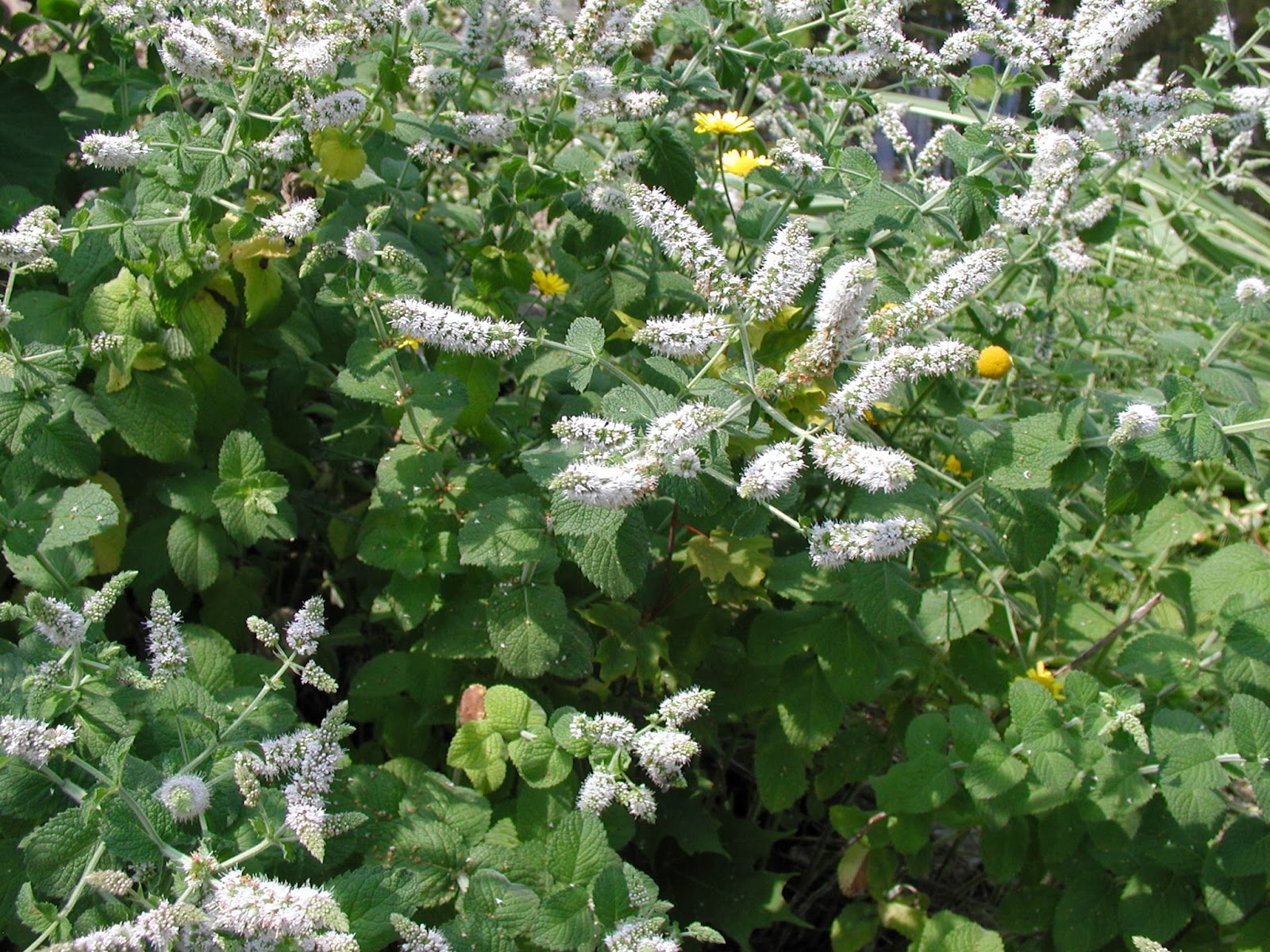
There are roughly 25 different species of mint. Peppermint is one of the official mints as is spearmint and wild mint. Mint does have a tendency to cross breed with others of its species and so new milder versions seem to pop up all over the place every year. Peppermint is a native of Europe but has been here in the usa for quite some time. It has square smooth stems that get up to 3 feet tall with sharply toothed leaves and white flowers that bloom from July to September. The main difference between peppermint and most other varieties is that peppermint blooms are on spikes whereas most other mints bloom in whorls where the leaves axil. It can be found growing in moist soil, along streams, near wooded areas, etc. As it does spread rather tenaciously, it is best to grow it with other plants that tend to keep it tethered back such as Chinese rhubarb or hostas. The leaves and stems are best gathered before the plant blooms between 11 a.m. and noon from April to June. The flowers can be gathered between August and September from 11 a.m. to noon.
Peppermint belongs to the Labiatae or Mint family. The true mints will have 'Mentha' in their Latin names. Mintho and 'mentha' was part of Greek mythology. She was a beautiful nymph that Pluto, god of the underworld, fell in love with. The story goes that Persephone, Pluto's first interest and abductee whom he had taken at one point to rule over his dominion, became jealous of this new love interest he had and she changed Mentha into a plant which is now known as 'mint'.
This plant has been used for centuries as a culinary and a medicinal herb. Theophrastus spoke of it often and used it to great lengths as did many as an aromatic and to freshen the breath. It has been used in baths, sachets, potpourris as a it does freshen the air and does disinfect. Many churches and temples used it as a strewing herb so it would take care of odors many travelers would bring in with them. It was also used by many in cooking as it has a pleasant flavor and a cooling effect on the body. The leaves were often chewed raw or placed in salads, cooked in soups, stews and was used in sauces for meats, sweet dishes and in jellies, beverages, candies, syrups, gums, etc. Even the commercial world has picked up on its pleasant flavor and its more medicinal qualities as well. As such you will find it in mouthwashes, toothpastes, joint creams, soaps, commercial tea blends, etc.
Culpeper had mint listed for 40 different ailments. Gerard would mix it with a bit of salt for wasp stings and dog bites. Pliny said that the smell of it speeds up the mind and the taste increases the appetite. Parkinson wrote that whether it is used externally or internally it strengthens the body and comforts the stomach. The active component of mint known as 'menthol' has been known to relieve spasms in the intestinal tract and to dispel or alleviate gas. It helps to calm the stomach, help with bile production and thus aids digestion, helps with fevers, coughs, colds, congestion, kidney issues and headaches. In many cultures (Greek, Egyptian, Roman, Chinese) to ease toothaches, tendonitis, diarrhea, bowel issues, colic, hysteria, rheumatism and arthritis. It has also been used to relieve morning sickness and motion sickness. Peppermint extracts and oil have also been shown to be useful against some strains of bacteria and viruses such as herpes simplex, influenza A, staph, candida, strep and pseudomonas acrginosa. The Ojibwa Indians also use it as a blood purifying herb.
While peppermint is a native of Europe, Asia and the Mediterranean, it has been cultivated in the united states since the late 1700's and the usa is the largest producer of mint today. It takes 1000 pounds of mint to produce 1 pound of oil.
Peppermint oil has enjoyed many uses over the centuries-proving it to be worthwhile to keep in the garden. It works primarily on the nervous system as it helps with fatigue and drowsiness. As it is also cooling and stimulating it works to relax tense muscles, ease cramps, reduce inflammation, sunburn and muscle aches and pains. The oil is not supposed to be ingested as it can cause heartburn and in large amounts can be fatal. However, the tea can be drunk freely and it can be used externally as a wash as often as is needed. The oil in the herb can also stimulate menstrual cycles so should be avoided by pregnant women.
As is customary with my posts I have included some links below for your perusal. May it help to expand your horizons and use mint in a new and unusual way!
http://www.amazon.com/NOW-Foods-Peppermint-Oil-ounce/dp/B00028MKRQ/ref=sr_1_2?ie=UTF8&qid=1387494093&sr=8-2&keywords=peppermint
http://www.amazon.com/Foods-Peppermint-Ginger-Fennel-Softgels/dp/B001F0R7QE/ref=sr_1_5?ie=UTF8&qid=1387494093&sr=8-5&keywords=peppermint
http://www.amazon.com/Davidsons-Tea-Organic-Peppermint-16-Ounce/dp/B000SAPXN6/ref=sr_1_10?ie=UTF8&qid=1387494093&sr=8-10&keywords=peppermint
http://www.amazon.com/Burts-Bees-Fabulously-Peppermint-Rosemary/dp/B001R2S8HM/ref=sr_1_16?ie=UTF8&qid=1387494093&sr=8-16&keywords=peppermint
http://www.amazon.com/Dr-Bronners-Magic-Soaps-Pure-Castile/dp/B00120VWJ0/ref=sr_1_11?ie=UTF8&qid=1387494093&sr=8-11&keywords=peppermint
http://www.amazon.com/Simply-Organic-Peppermint-Certified-Container/dp/B003UKC2UI/ref=sr_1_14?ie=UTF8&qid=1387494093&sr=8-14&keywords=peppermint
Tuesday, November 12, 2013
MARSHMALLOW
Marshmallow-Althaea Officinalis, Malva Rotundifolia, Malva Sylvestris, Malva Neglecta
Also known as: Althaea, sweet weed, wymote, mortification root, mallards, schloss tea, malva, mallow, cheese weed, button weed
Parts used: Root, leaves, flowers, peas
Meridians/Organs affected: respiratory, digestive, urinary
Properties: diuretic, demulcent, mucilaginous, emollient, tonic, vulnerary, alterative, lithotriptic, mild laxative
Marshmallow is a native of Europe and as with many herbs before it, it has made its way here to the usa. This plant has soft, toothed, downy leaves that can resemble a maple leaf depending on the variety. The flowers are pink or white with pink streaks through them and have 5 petals. It can get anywhere between 2-4 feet tall. It grows in damp meadows, marshes, by the ocean or rivers, ditches and basically anywhere the is considered moist. It blooms from July to September. The leaves are best gathered before the plant blooms however. The root is best gathered in the fall. Marshmallow is typically an annual but it can over winter and become a perennial in the proper climate.'
Marshmallow is well known across the globe by many cultures. It is mentioned in Chinese and Arab medicinal texts and in the Bible (in the book of Job where it is partaken of in times of famine). Theophrastus (370-287 BC) talks of mallow root being soaked in wine and used for coughs. The Romans and Chinese would eat it as a delicacy. It does contain a high mucilage content which helps to loosen phlegm and expel it from the respiratory system. It is also very beneficial for gastrointestinal issues for the same reason. As it is mucilaginous it soothes the body and has been used for diarrhea, dysentery, ulcers, whooping cough, sore throats, etc. Externally it works much the same way to soothe and heal wounds, bruises, burns and infections.
Marshmallow is a member of the Mallow family. There are over a thousand species in this family with two things in common. They all contain an abundance of mucilage and they are all edible.
In fact, other members of this family can be substituted for mallow as they have similar qualities (hibiscus and hollyhocks being examples). The Greek 'athos' means 'to cure' and it had quite a reputation as a cure all. King Charlemagne (742-814 AD) demanded that it be grown throughout his kingdom. It is rumored he suffered from ulcers and found it to be a wonderful remedy. Culpeper's son was diagnosed with what was termed a 'plague of the guts' and suffered something terrible. Culpeper gave mallow to his son (boiled it and served it with milk) and two days later his son was cured. It was used for many different ailments and seemed to work well for a host of diseases. It was used for diabetes, tuberculosis, septicemia, gangrene, vomiting, blood in the stool, nose or urine, kidney and gall stones, inflammations, stomach disorders, bedsores, etc. There are many documentations of it being used as a poultice for blood poisoning, burns, bruises, gangrene, sores, wounds, etc. (The root or leaves were lightly steamed and then applied warm and changed three times a day). The root was also commonly used in combination with parsley root, juniper berries or gravel root to assist with the pain and expellation of stones. Since it does contain a decent amount of calcium and magnesium it has also been found useful for arthritis. It seems to have the ability to bind to toxins in the body and eliminate them. The root was also used to increase the milk production in nursing mother's. While most people know nothing about this plant they are familiar however with the term 'marshmallow' in general. The white fluffy confection....and although the original marshmallow was made using this plant, it has not been done so for hundreds of years. The roots were boiled in water and then beaten like egg whites into a froth and used in pies, desserts, etc.
This herb is very nourishing and immune enhancing. It is often employed when the throat is so swollen nothing can be taken-as it seems to slide down without a problem, soothing the throat and taking care of inflammation as it goes. Water extracts of this plant are far more effective than an alcohol extract although a wine extract with this herb would be just fine. The root has been sliced and added to soups and stews. The small peas that resemble tiny cheese rounds are also edible and have been eaten alone, in salads, soups, stews, etc.
Dr. Christopher used marshmallow in a great many formulas for things, including the well known 'black salve'. He speaks of a man who had an infection in his leg that turned gangrenous. The man went to the doctor who recommended amputation. The man refused and instead went to Dr. Christopher who made a large decoction of marshmallow root for the man to immerse his entire leg in. In a matter of hours the leg had returned to normal. There are several stories like this one where marshmallow is concerned with miraculous results. Clearly it is an herb that should be kept in the garden for medicinal and nutritional benefits.
As is customary with my posts I have included some links below for your benefit. I hope they come in handy for you in your continued search for health and well being.
http://www.amazon.com/Starwest-Botanicals-Marshmallow-Root-Organic1-pound/dp/B003AYEHJI/ref=sr_1_3?ie=UTF8&qid=1384309730&sr=8-3&keywords=marshmallow+root
http://www.amazon.com/Natures-Way-Marshmallow-Root-Capsules/dp/B001E10JKU/ref=sr_1_2?ie=UTF8&qid=1384309852&sr=8-2&keywords=marshmallow+root
http://www.amazon.com/Marshmallow-Leaf-Root-Tea-Bags/dp/B000HB9TOU/ref=sr_1_5?ie=UTF8&qid=1384309852&sr=8-5&keywords=marshmallow+root
http://www.amazon.com/Botanic-Choice-Alcohol-Extract-Marshmallow/dp/B007N05RZS/ref=sr_1_6?ie=UTF8&qid=1384309852&sr=8-6&keywords=marshmallow+root
http://www.amazon.com/Marshmallow-Root-Powder-Organic-officinalis/dp/B002DXXE7S/ref=sr_1_14?ie=UTF8&qid=1384309852&sr=8-14&keywords=marshmallow+root
Also known as: Althaea, sweet weed, wymote, mortification root, mallards, schloss tea, malva, mallow, cheese weed, button weed
Parts used: Root, leaves, flowers, peas
Meridians/Organs affected: respiratory, digestive, urinary
Properties: diuretic, demulcent, mucilaginous, emollient, tonic, vulnerary, alterative, lithotriptic, mild laxative
Marshmallow is a native of Europe and as with many herbs before it, it has made its way here to the usa. This plant has soft, toothed, downy leaves that can resemble a maple leaf depending on the variety. The flowers are pink or white with pink streaks through them and have 5 petals. It can get anywhere between 2-4 feet tall. It grows in damp meadows, marshes, by the ocean or rivers, ditches and basically anywhere the is considered moist. It blooms from July to September. The leaves are best gathered before the plant blooms however. The root is best gathered in the fall. Marshmallow is typically an annual but it can over winter and become a perennial in the proper climate.'
Marshmallow is well known across the globe by many cultures. It is mentioned in Chinese and Arab medicinal texts and in the Bible (in the book of Job where it is partaken of in times of famine). Theophrastus (370-287 BC) talks of mallow root being soaked in wine and used for coughs. The Romans and Chinese would eat it as a delicacy. It does contain a high mucilage content which helps to loosen phlegm and expel it from the respiratory system. It is also very beneficial for gastrointestinal issues for the same reason. As it is mucilaginous it soothes the body and has been used for diarrhea, dysentery, ulcers, whooping cough, sore throats, etc. Externally it works much the same way to soothe and heal wounds, bruises, burns and infections.
Marshmallow is a member of the Mallow family. There are over a thousand species in this family with two things in common. They all contain an abundance of mucilage and they are all edible.
In fact, other members of this family can be substituted for mallow as they have similar qualities (hibiscus and hollyhocks being examples). The Greek 'athos' means 'to cure' and it had quite a reputation as a cure all. King Charlemagne (742-814 AD) demanded that it be grown throughout his kingdom. It is rumored he suffered from ulcers and found it to be a wonderful remedy. Culpeper's son was diagnosed with what was termed a 'plague of the guts' and suffered something terrible. Culpeper gave mallow to his son (boiled it and served it with milk) and two days later his son was cured. It was used for many different ailments and seemed to work well for a host of diseases. It was used for diabetes, tuberculosis, septicemia, gangrene, vomiting, blood in the stool, nose or urine, kidney and gall stones, inflammations, stomach disorders, bedsores, etc. There are many documentations of it being used as a poultice for blood poisoning, burns, bruises, gangrene, sores, wounds, etc. (The root or leaves were lightly steamed and then applied warm and changed three times a day). The root was also commonly used in combination with parsley root, juniper berries or gravel root to assist with the pain and expellation of stones. Since it does contain a decent amount of calcium and magnesium it has also been found useful for arthritis. It seems to have the ability to bind to toxins in the body and eliminate them. The root was also used to increase the milk production in nursing mother's. While most people know nothing about this plant they are familiar however with the term 'marshmallow' in general. The white fluffy confection....and although the original marshmallow was made using this plant, it has not been done so for hundreds of years. The roots were boiled in water and then beaten like egg whites into a froth and used in pies, desserts, etc.
This herb is very nourishing and immune enhancing. It is often employed when the throat is so swollen nothing can be taken-as it seems to slide down without a problem, soothing the throat and taking care of inflammation as it goes. Water extracts of this plant are far more effective than an alcohol extract although a wine extract with this herb would be just fine. The root has been sliced and added to soups and stews. The small peas that resemble tiny cheese rounds are also edible and have been eaten alone, in salads, soups, stews, etc.
Dr. Christopher used marshmallow in a great many formulas for things, including the well known 'black salve'. He speaks of a man who had an infection in his leg that turned gangrenous. The man went to the doctor who recommended amputation. The man refused and instead went to Dr. Christopher who made a large decoction of marshmallow root for the man to immerse his entire leg in. In a matter of hours the leg had returned to normal. There are several stories like this one where marshmallow is concerned with miraculous results. Clearly it is an herb that should be kept in the garden for medicinal and nutritional benefits.
As is customary with my posts I have included some links below for your benefit. I hope they come in handy for you in your continued search for health and well being.
http://www.amazon.com/Starwest-Botanicals-Marshmallow-Root-Organic1-pound/dp/B003AYEHJI/ref=sr_1_3?ie=UTF8&qid=1384309730&sr=8-3&keywords=marshmallow+root
http://www.amazon.com/Natures-Way-Marshmallow-Root-Capsules/dp/B001E10JKU/ref=sr_1_2?ie=UTF8&qid=1384309852&sr=8-2&keywords=marshmallow+root
http://www.amazon.com/Marshmallow-Leaf-Root-Tea-Bags/dp/B000HB9TOU/ref=sr_1_5?ie=UTF8&qid=1384309852&sr=8-5&keywords=marshmallow+root
http://www.amazon.com/Botanic-Choice-Alcohol-Extract-Marshmallow/dp/B007N05RZS/ref=sr_1_6?ie=UTF8&qid=1384309852&sr=8-6&keywords=marshmallow+root
http://www.amazon.com/Marshmallow-Root-Powder-Organic-officinalis/dp/B002DXXE7S/ref=sr_1_14?ie=UTF8&qid=1384309852&sr=8-14&keywords=marshmallow+root
TANSY
Tansy-Tanacetum Vulgare
Also known as: bitter buttons, hindheal, bachelor buttons, scented fern, Johnson's remedy, cheese, wurmkraut, ginger plant, parlsey fern, stinking willie, alecost, costmary, bible leaf
Parts used: leaves, blossoms
Meridians/Organs effected: digestive, circulatory, reproductive, hepatic, respiratory
Properties: anthelmintic, tonic, emmenogogue, diaphoretic, stimulant, diuretic, nervine, vulnerary, aromatic, stomachic, antispasmodic, carminative
Tansy is a member of the Sunflower family. It is a stout perennial with deeply divided segmented leaves and bright yellow button like flowers that bloom from July to September. It can get up to 6 feet tall and is very aromatic. It grows along ditches, roadsides, pastures, public parks, vacant lots, meadows, dumps, etc. It does well in compact soil with a high pH level and full sun.
Tansy has been used for thousands of years-both as a culinary and a medicinal agent. There are recipes dating back to the 1400's for this herb. It was most commonly used during Easter for cakes, cookies, omelets and salad. The ancient Egyptians used it as part of their embalming process which was carried on to other cultures. It was also packed in coffins to repel insects and delay putrefaction before funerals. It was scattered on floors to repel insects and to freshen the air after feasting. It was also used under mattresses, between blankets and clothing and around food to kill or repel insects there. It has been used in dried floral arrangements and can still be found used that way today. They would also make a strong tea from tansy and use it in the garden to kill insects and as a headwash for lice or scabies. The tea was also used for rheumatism, indigestion, menstrual difficulties, nerve pain, lack of appetite, gout, migraines, jaundice and hysteria. The oil of the plant is high in thujone and in the past has caused miscarriages or been used for abortions. As such this plant has been banned by the FDA. It should not be used by pregnant women for this reason as it stimulates the uterus.
The seed of the plant was used to expel worms, treat gout and for bladder complaints as well as to help with insomnia and nervousness. It has also been used in cosmetics for skin maladies.
Tansy is a native of Europe. It was brought to the usa and cultivated here by John Winthrop's Plymouth colony in 1631. Its Greek name 'Athanasia' means 'immortal'. Probably one of the reasons they used it for embalming. It was also used to preserve meat (was rubbed on the meat) to keep the flies away. By the 17th century it became one of the bitter herbs partaken of at Passover. The tea from the leaves was commonly used in Europe for flatulence, sore throat, dyspepsia, jaundice and inflammation. Some studies have shown that it can help to relieve intestinal discomfort, reduce blood lipid levels, kill bacteria and fungi, fight intestinal worms, combat tumors, stimulate bile, influence blood sugar levels and enhance one's resistance to encephalitis. Most modern establishments consider it to be a poison and won't use it. I say 'More for Me!'
Jethro Kloss (author of Back to Eden) said tansy is one of the best herbs to promote menstrual flow. It helps to tone the system, strengthen weak veins and soothe the bowels. He used hot fomentations of tansy tea for tumors, bruises, sciatica, freckles, sunburn, leucorrhea, inflamed eyes, toothaches and inflammations. The early colonists would also gather the flowers and leaves to make yellow dyes for their wool.
Tansy was once also used to make an ointment for bruises, burns due to gunpowder blasts and for parasite infestations. It is best gathered between July and August between 11 a.m. and 4 p.m. when it is in full bloom.
As is customary with my posts I am including some links herein for your own benefit. Use them as you deem necessary. Happy healthy living!
http://www.amazon.com/Outsidepride-Tansy-Herb-5000-Seeds/dp/B00AVLWRCM/ref=sr_1_1?ie=UTF8&qid=1384296368&sr=8-1&keywords=tansy
http://www.amazon.com/Organic-Tansy-Tincture-Ounce-Bottle/dp/B007O49TWK/ref=sr_1_6?ie=UTF8&qid=1384296437&sr=8-6&keywords=tansy
http://www.amazon.com/Blue-Tansy-Therapeutic-Natures-Kiss/dp/B00746RA38/ref=sr_1_7?ie=UTF8&qid=1384296437&sr=8-7&keywords=tansy
http://www.amazon.com/Flower-Essence-Tansy---/dp/B0025OWO4Y/ref=sr_1_9?ie=UTF8&qid=1384296437&sr=8-9&keywords=tansy
http://www.amazon.com/Herbal-Gardens-South-Florida-Inc/dp/B000LPJ6IG/ref=sr_1_20?ie=UTF8&qid=1384296662&sr=8-20&keywords=tansy
Subscribe to:
Posts (Atom)